
The Visitor System

āļĢāļ°āļšāļš Visitor

The Visitor System

Visitors to office buildings, residential areas, or condominiums, who are often recurring, necessitate the management of their data, known as access control. Traditional visitor card exchange systems often encounter difficulties in data management, especially in places with high daily traffic, where issues such as forgotten, lost, or damaged cards may arise. Additionally, they require staff intervention, leading to delays and unnecessary resource waste. Therefore, many organizations prioritize upgrading their visitor card exchange systems to be more accurate and modern. For instance, by opting for automated systems like the Visitor System, organizations can streamline the card exchange process, making it more convenient for visitors while ensuring security through door access control or elevator lock mechanisms every time a visitor enters the building.
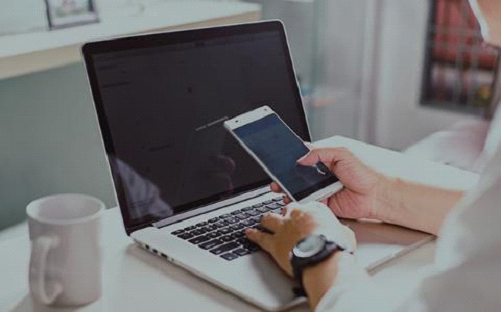


Solution Advantages: Multiple Reservation Methods

  1. On-site self-service reservation:
    Visitors can use on-site kiosks to input their personal information and complete the reservation process, after which they receive a QR code.
  2. Online self-service reservation:
    Visitors can visit the online booking link, input their personal information, and receive a QR code.

  3. On-site front desk reception:
    Visitors can register at the reception desk, input their personal information, and receive a QR code.

Clear guidelines for visitors
  1. After check-in, visitors receive SMS or email instructions.
  2. They can access the doors upon approval.

Security, Technology, and Health Declaration

  1. Supports high-security face recognition algorithms and counterfeit prevention measures. Additionally, it facilitates temperature checks and face recognition even when wearing masks.
  2. Supports touchless verification via QR codes, which change automatically.
  3. The QR code data is protected by AES-256 encryption.

Intelligent Management of Visitor Permissions

  1. The system synchronizes visitor access permissions with kiosks, entrance doors, staircase access controls, and other related devices.
  2. Visitors can access authorized areas freely within the designated time frames.
Related Content
Smart_and_Green_Technology_āļŠāļĢāđ‰āļēāļ‡āļžāļ·āđ‰āļ™āļ—āļĩāđˆāļāļēāļĢāđ€āļĢāļĩāļĒāļ™āļĢāļđāđ‰āļ—āļĩāđˆāļ›āļĨāļ­āļ”āļ āļąāļĒāđāļĨāļ°āļĒāļąāđˆāļ‡āļĒāļ·āļ™āđƒāļ™āļĒāļļāļ„āđƒāļŦāļĄāđˆ_RoHS
In modern learning and working environments, technology is no longer simply a tool; it is the foundation of how we teach, collaborate, and communicate. But as interactive displays, smart devices, and digital systems become more present in classrooms and meeting rooms, one essential factor often gets overlooked: environmental and material safety.
25 āļž.āļĒ. 2025
Smart_Classroom_IQ_Touch_āļˆāļ­āļ­āļąāļˆāļ‰āļĢāļīāļĒāļ°
In today's rapidly advancing digital world, education must evolve alongside technology. One of the most impactful innovations in modern classrooms is the concept of the Smart Classroom, which integrates interactive technologies to enhance teaching and learning experiences. At the center of this transformation is the IQ Touch interactive display, a powerful solution that enables immersive and collaborative education.
7 āđ€āļĄ.āļĒ. 2025
āļ”āļĩāļ—āļĢāļēāļ™āđ€āļ—āļ„_DTranTech_āļĢāļ°āļšāļš Smart Office āļāļąāļšāļāļēāļĢāļ›āļĢāļ°āļŠāļļāļĄāđāļĨāļ°āļāļēāļĢāļ—āļģāļ‡āļēāļ™āđƒāļ™āļ›āļĩ 2025
In the digital age, where technology plays a crucial role in driving organizations forward, Smart Office has become the key to enhancing work efficiency and meetings. A Smart Office not only improves convenience and flexibility in work processes but also fosters seamless collaborationan essential factor in 2025 as organizations worldwide adapt to hybrid work models and advanced automation technologies.
3 āļ.āļž. 2025
āđ€āļ§āđ‡āļšāđ„āļ‹āļ•āđŒāļ™āļĩāđ‰āļĄāļĩāļāļēāļĢāđƒāļŠāđ‰āļ‡āļēāļ™āļ„āļļāļāļāļĩāđ‰ āđ€āļžāļ·āđˆāļ­āđ€āļžāļīāđˆāļĄāļ›āļĢāļ°āļŠāļīāļ—āļ˜āļīāļ āļēāļžāđāļĨāļ°āļ›āļĢāļ°āļŠāļšāļāļēāļĢāļ“āđŒāļ—āļĩāđˆāļ”āļĩāđƒāļ™āļāļēāļĢāđƒāļŠāđ‰āļ‡āļēāļ™āđ€āļ§āđ‡āļšāđ„āļ‹āļ•āđŒāļ‚āļ­āļ‡āļ—āđˆāļēāļ™ āļ—āđˆāļēāļ™āļŠāļēāļĄāļēāļĢāļ–āļ­āđˆāļēāļ™āļĢāļēāļĒāļĨāļ°āđ€āļ­āļĩāļĒāļ”āđ€āļžāļīāđˆāļĄāđ€āļ•āļīāļĄāđ„āļ”āđ‰āļ—āļĩāđˆ āļ™āđ‚āļĒāļšāļēāļĒāļ„āļ§āļēāļĄāđ€āļ›āđ‡āļ™āļŠāđˆāļ§āļ™āļ•āļąāļ§ and āļ™āđ‚āļĒāļšāļēāļĒāļ„āļļāļāļāļĩāđ‰
Powered By MakeWebEasy Logo MakeWebEasy